There’s a predictable pattern to how most tenants approach the end of tenancy clean. The oven gets a long-overdue deep clean. The bathroom is scrubbed. The carpets are vacuumed, possibly steam-cleaned. The kitchen surfaces are wiped down until they shine. And then the tenant walks through the property, decides it looks good, and waits for the inventory clerk to arrive – quietly confident that the deposit is safe.
What follows is often a surprise. Not because the big jobs were done badly, but because the small ones weren’t done at all. Inventory clerks are not conducting casual walk-throughs. They are trained, systematic, and very good at noticing precisely the things that tenants have unconsciously edited out of their field of vision. Skirting boards, door frames, light switches, curtain rails – these details are on every professional checkout report, and they are checked early, before the clerk has even opened a cupboard.
Why Inventory Clerks Are Better at Spotting Grime Than You Think
What a Professional Inventory Actually Looks Like
A modern checkout inventory is a methodical, photographic, room-by-room document. The clerk moves through the property with a checklist, a camera, and – crucially – a torch. That last item matters more than most tenants realise. A torch held at an angle to a surface reveals dust, streaks, and surface marks that are completely invisible under standard ambient lighting. This is not a trick or an unfair advantage; it is simply the correct way to assess whether a surface has been properly cleaned.
The comparison document is the check-in inventory from when the tenancy began. Every mark, every area of grime, every missed detail at checkout will be set against the condition recorded on the day the tenant moved in. In London’s rental market, where inventories are increasingly detailed and deposit disputes are taken seriously by adjudication schemes, the margin for “near enough” is thinner than many tenants expect.
Skirting Boards – The Horizontal Surface Everyone Walks Past
Where the Dirt Actually Collects (and Why It’s Stubborn)
Skirting boards collect grime in three distinct zones, and each one requires slightly different attention. The top edge is a dust shelf – it gathers fine particles, pet hair, and debris continuously, and because it sits just below eye level, it is almost never noticed during routine cleaning. The face of the board accumulates scuffs from shoes, bags, and furniture legs, as well as splashes from mopping and general contact marks. The junction between the skirting and the floor is the most concentrated zone of all: hair, grit, dried liquid, and the kind of compressed debris that a vacuum struggles to reach.
The particular stubbornness of skirting board grime comes from a combination of factors. Kitchens and living areas carry airborne grease from cooking, which settles on every horizontal surface in the room, including the top of the skirting. Dust sticks to grease. Over months, this creates a layered film that a dry cloth simply redistributes rather than removes. In corners and behind doors – areas that are rarely disturbed – the accumulation can be considerable even in an otherwise well-maintained property.
Cleaning Skirting Boards Without Damaging the Paint
The right approach starts with a dry microfibre cloth or a soft brush to lift loose dust before any moisture is introduced. Working dry first prevents dust from turning into a smeared paste the moment a damp cloth touches it. Once the loose layer is gone, a cloth wrung out in warm water with a small amount of washing-up liquid handles the grease film effectively on most painted surfaces. Work along the length of the board in smooth, even strokes rather than scrubbing in circles, which can leave visible marks on paint.
The distinction between gloss and eggshell finishes is worth understanding before you start. Gloss paint – still common on skirting boards in older London properties – is harder and more moisture-resistant, and will tolerate a firmer wipe. Eggshell and matt finishes are more porous and more easily marked by abrasion. On these surfaces, gentler pressure and a well-wrung cloth are essential. For stubborn scuff marks on either finish, a small amount of white toothpaste applied with a fingertip and worked gently is a reliable method that doesn’t risk removing the paint layer the way abrasive cleaners can.
Door Frames and Architrave – The Area Everyone Forgets Has a Name
The Zones That Accumulate the Most Contact Grime
The architrave – the moulded surround that frames a door opening – is one of the most consistently overlooked surfaces in any end of tenancy clean, largely because most people don’t consciously register it as a surface at all. But inventory clerks absolutely do. The latch-side edge of the frame is the dirtiest zone: it is touched, pushed, and grabbed every time the door is opened, and the accumulated oils from years of hand contact leave a yellowed, sticky residue that is unmistakable under inspection. The top of the frame collects undisturbed dust continuously. The lower sections of the architrave on either side accumulate scuffs and marks from bags, suitcases, and shoes being carried through.
These areas are noted on checkout reports specifically because they are touched constantly but almost never cleaned during a tenancy. A property can have a pristine bathroom and a gleaming kitchen and still generate deductions if the door frames haven’t been addressed.
Material Matters – Wood, MDF, and Painted Finishes
How you clean a door frame depends on what it’s made of, and in rental properties, this varies considerably. Solid timber architrave is relatively forgiving – it tolerates slightly more moisture and a little more pressure without complaint. MDF, which is standard in most post-1990s properties, behaves very differently. It is porous, swells when wet, and can bubble or delaminate if a damp cloth is pressed too firmly into the grain of the paint or applied repeatedly to the same spot. The rule with MDF frames is minimal moisture, maximum wiping motion – one or two careful passes rather than repeated scrubbing.
White-painted frames present an additional challenge: yellowing. This is not dirt in the conventional sense but oxidation of the paint itself, accelerated by heat, humidity, and age. Mild all-purpose cleaner addresses surface grime on white frames effectively, but genuine yellowing requires a slightly different approach. A solution of warm water with a small amount of sugar soap, applied with a soft cloth and rinsed clean, will refresh a yellowed white frame noticeably without the risk of patchiness that stronger products can leave.
Light Switches and Sockets – Small Surface, Large Impression
Why These Are Always on the Inventory Checklist
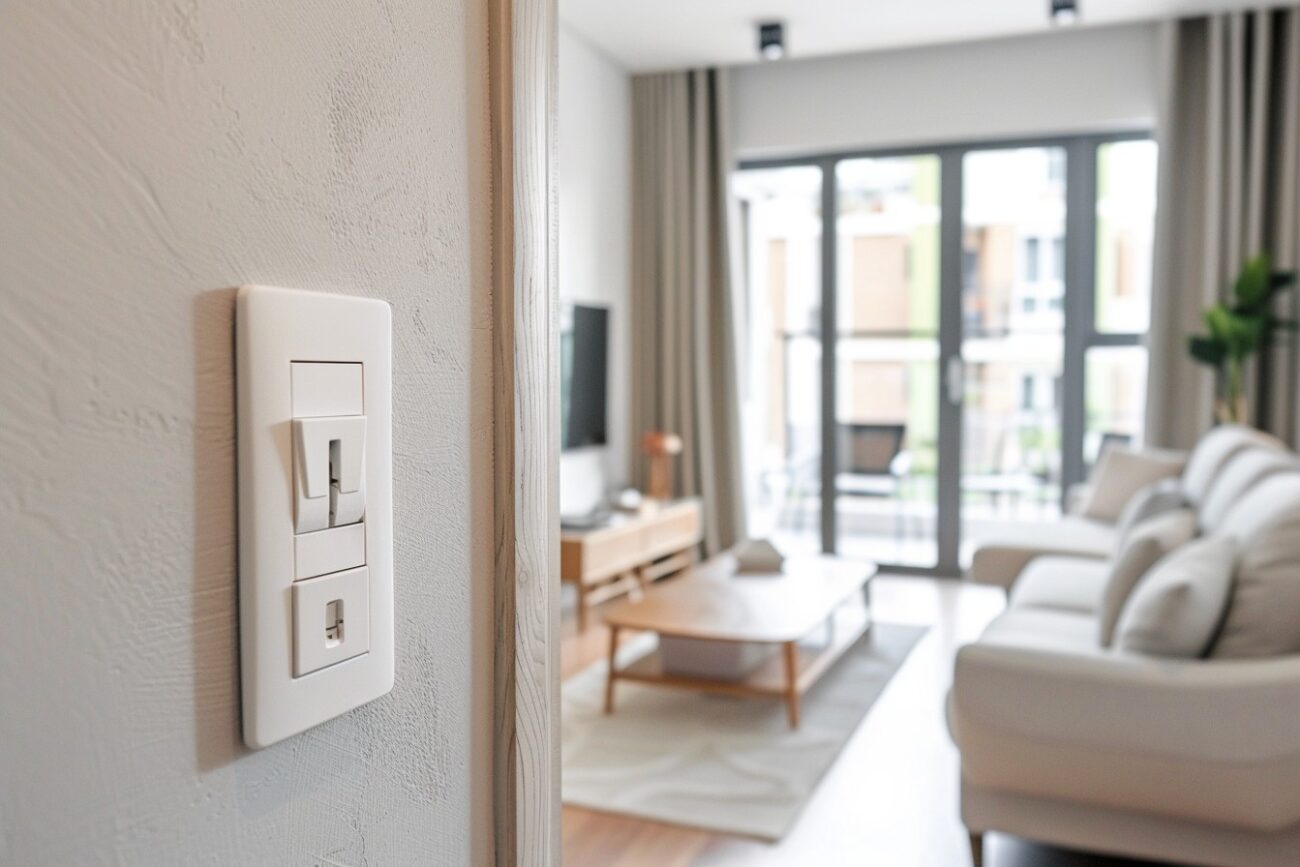
A grimy light switch is one of the most immediately readable signs of how thoroughly a property has been cleaned. It is a small surface in a prominent position, touched every single day, and the grime it accumulates – skin oils, residue from hands that have been cooking or eating, the general transfer of daily life – concentrates in a very visible way. Inventory clerks are experienced enough to use light switches as an early indicator: a clean switch plate suggests a methodical tenant; a grey, smeared one prompts them to look harder at everything else in the room.
Beyond the aesthetics, switch plates and sockets are specifically listed on most professional checkout templates. They are not an afterthought; they are a line item.
Safe Cleaning Technique for Electrical Faceplates
Moisture and electrical fittings require a cautious approach. The cardinal rule is never to spray cleaning product directly onto a switch plate or socket – liquid can travel behind the faceplate and reach the wiring. Instead, apply a small amount of all-purpose cleaner or diluted washing-up liquid to a microfibre cloth, wring it until it is barely damp, and wipe the surface in a single direction. For plastic faceplates, this is sufficient. For brushed chrome or stainless steel finishes, wipe along the grain rather than across it to avoid visible scratching.
The detail most tenants miss is the recessed edge where the faceplate meets the wall. This narrow channel traps dust and dark residue that is immediately visible against a painted wall, and it requires a different tool to address properly – a cotton bud, a folded corner of cloth, or a soft toothbrush works well. It takes thirty seconds per switch, and the difference in the finished result is disproportionate to the effort.
Other Fine Details That Appear on Inventory Reports More Often Than Tenants Expect
Curtain Rails, Blind Mechanisms, and Window Sill Edges
Window dressings and their fixings occupy a zone of the room – at or just above head height – that sits cleanly outside most people’s natural line of sight during routine cleaning. Curtain rails and their brackets accumulate a dense layer of undisturbed dust along their upper surface. Roller blind mechanisms develop grime around the cassette housing. The window sill edge, particularly in rooms prone to condensation, develops residue from moisture and mould that is subtle but clearly visible to anyone looking for it.
These are grouped together on inventory reports for exactly this reason: they share the same blind spot. The approach for all of them is the same – start with a dry cloth to lift the loose layer, follow with a barely damp one for any residue, and dry immediately to prevent moisture sitting on surfaces that may be painted wood or MDF.
The Top of Doors, Cabinet Tops, and Other Horizontal Surfaces Above Sight Lines
Above-sight-line surfaces deserve their own mention because they are universally neglected and universally checked. The top edge of every door in the property. The top of fitted wardrobes and kitchen wall units. The narrow ledge above radiators. The top of the bathroom cabinet. All of these collect undisturbed dust and, in kitchens, a combination of dust and grease that sets into a sticky, distinctly unpleasant film.
The technique that matters here is working top-down and working damp, not dry. Dry-dusting a surface above your head sends the debris downward onto surfaces you’ve already cleaned, which defeats the purpose entirely. A slightly damp cloth traps the debris and removes it in one pass.
Building a Checkout Clean Around the Details, Not Just the Obvious Jobs
A Different Way to Think About End of Tenancy Cleaning
The tenants who consistently get their deposits back in full share a particular approach: they don’t think in terms of rooms, they think in terms of surface types and sight lines. Once the obvious level is done – the surfaces at working height, the floors, the appliances – they go again at ankle level, addressing skirting boards and door bases. Then they go again above eye level, addressing the tops of units, doors, and rails. Then they go through the entire property looking only at contact points: light switches, door handles, push plates, architrave edges.
This layered approach takes more time than a single pass, but it is the difference between a property that looks clean and a property that is clean in the way an inventory clerk with a camera and a torch will record it as clean. The details are not a finishing touch. For anyone who has lived through a disputed deposit, they are, in hindsight, where the whole process was won or lost.
